Snail Tracker Project
Client-facing product design
In my DSGN 384 Interdisciplinary Product Design course, I worked in a team of four on a client-facing project for two quarters.
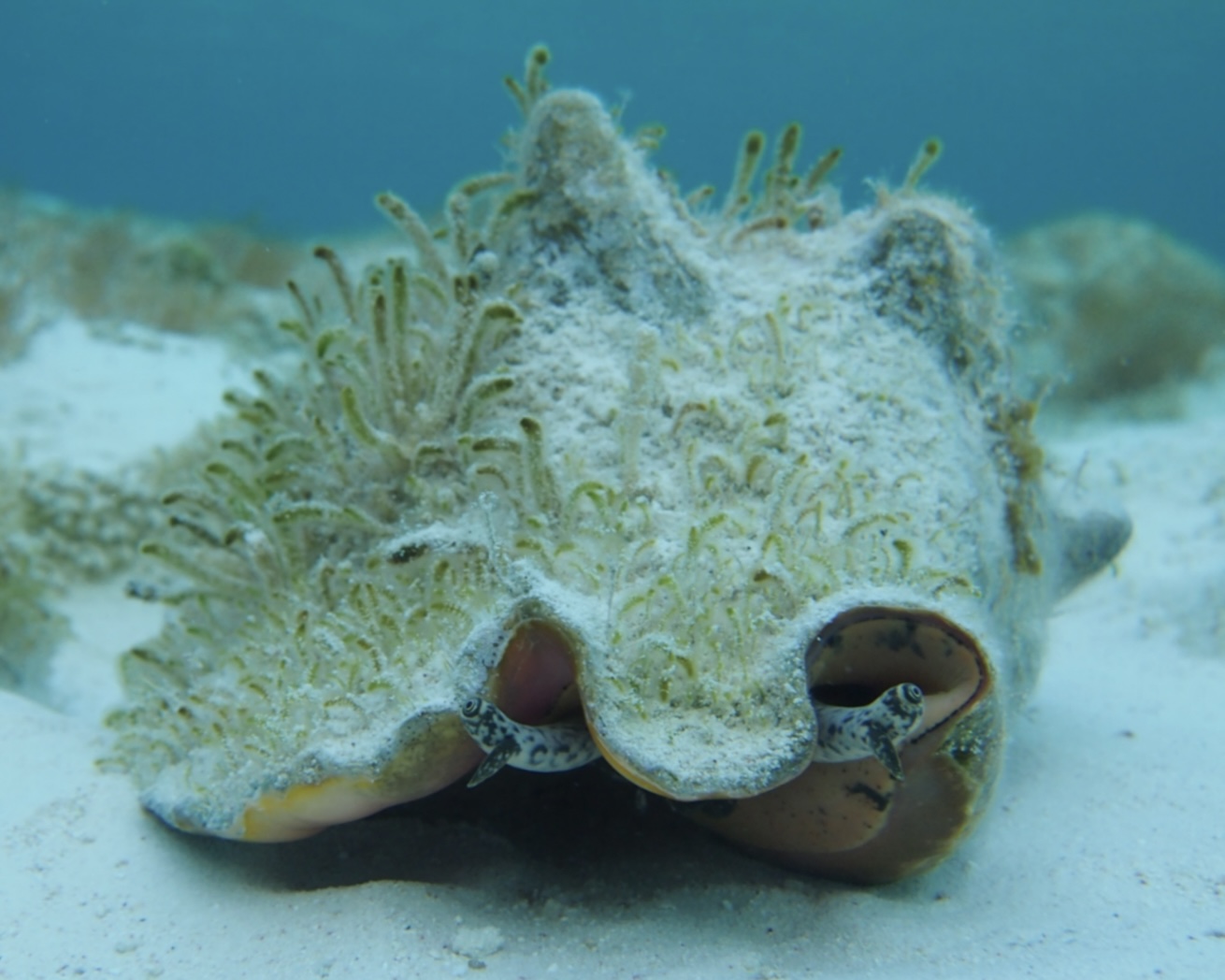
Our client, Shedd Aquarium researcher Dr. Andy Kough, studies conch movement. My three teammates and I set out to design a snail tracking device that (1) accurately and efficiently translated accelerometer data to directionality, (2) securely attached the device to the conch, (3) prevented internal movement, and (4) increased energy efficiency.
Conch Movement Tracking: Marine Research Device Design
Research
Literature Review
- Compiled research on Attachments, Accelerometers, Snails, Sustainability, and Other
- 14-page review covering client goals, study design, relevant research, and waterproofing/alternative study designs
Expert Sources
- Consulted NOAA researcher Jennifer Doerr for conch tracking methodology and epoxy resins as an attachment method
- Discussed adhesives with Materials Science and Engineering Professor Emeritus Stephen Carr
- Explored IMUs and alternate arduino configurations after discussing circuits and energy capacity with Mechanical Engineering Professor Nick Marchuk
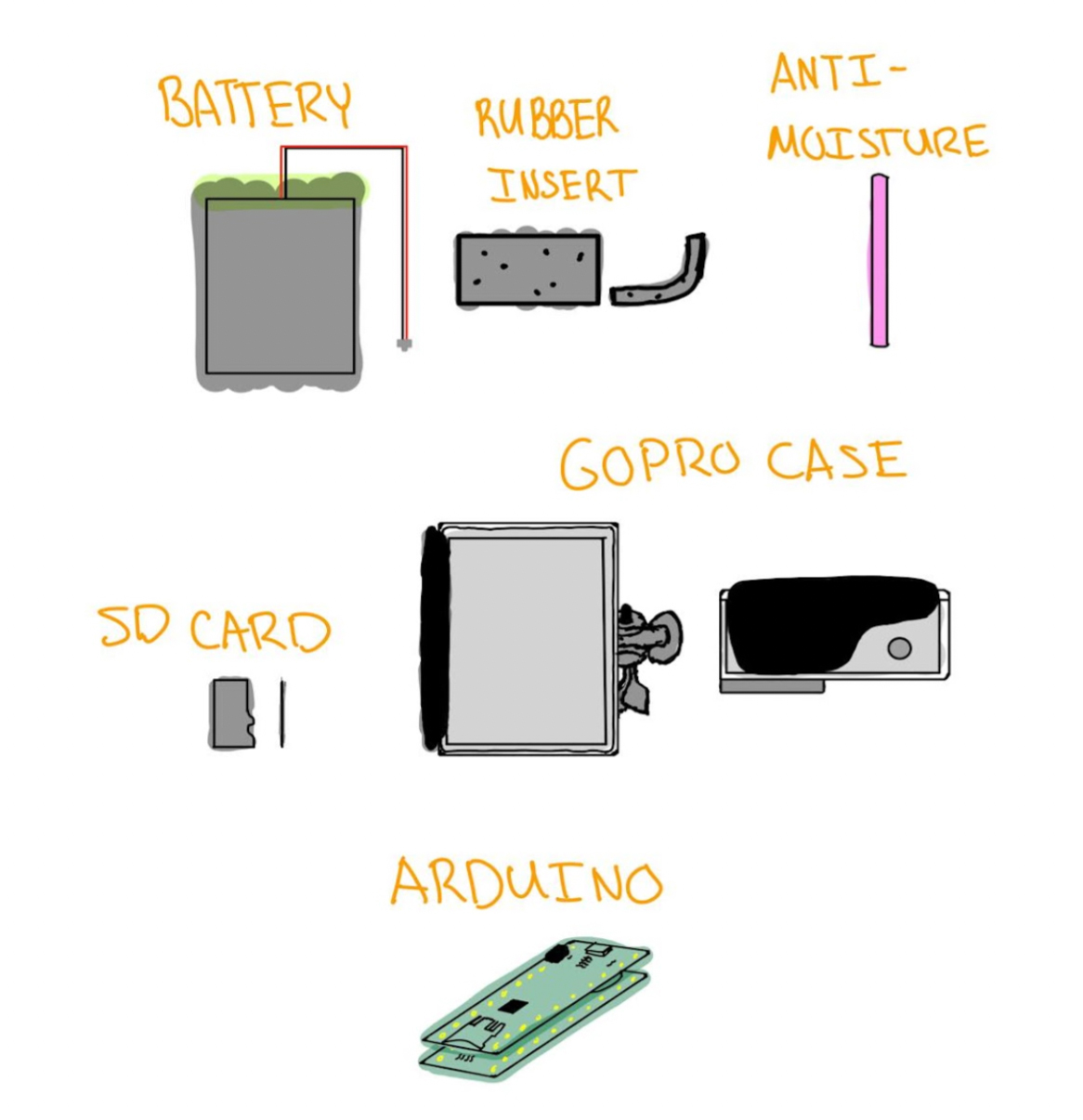
Components
Process
The team identified several pain points.
- Inconsistent attachment
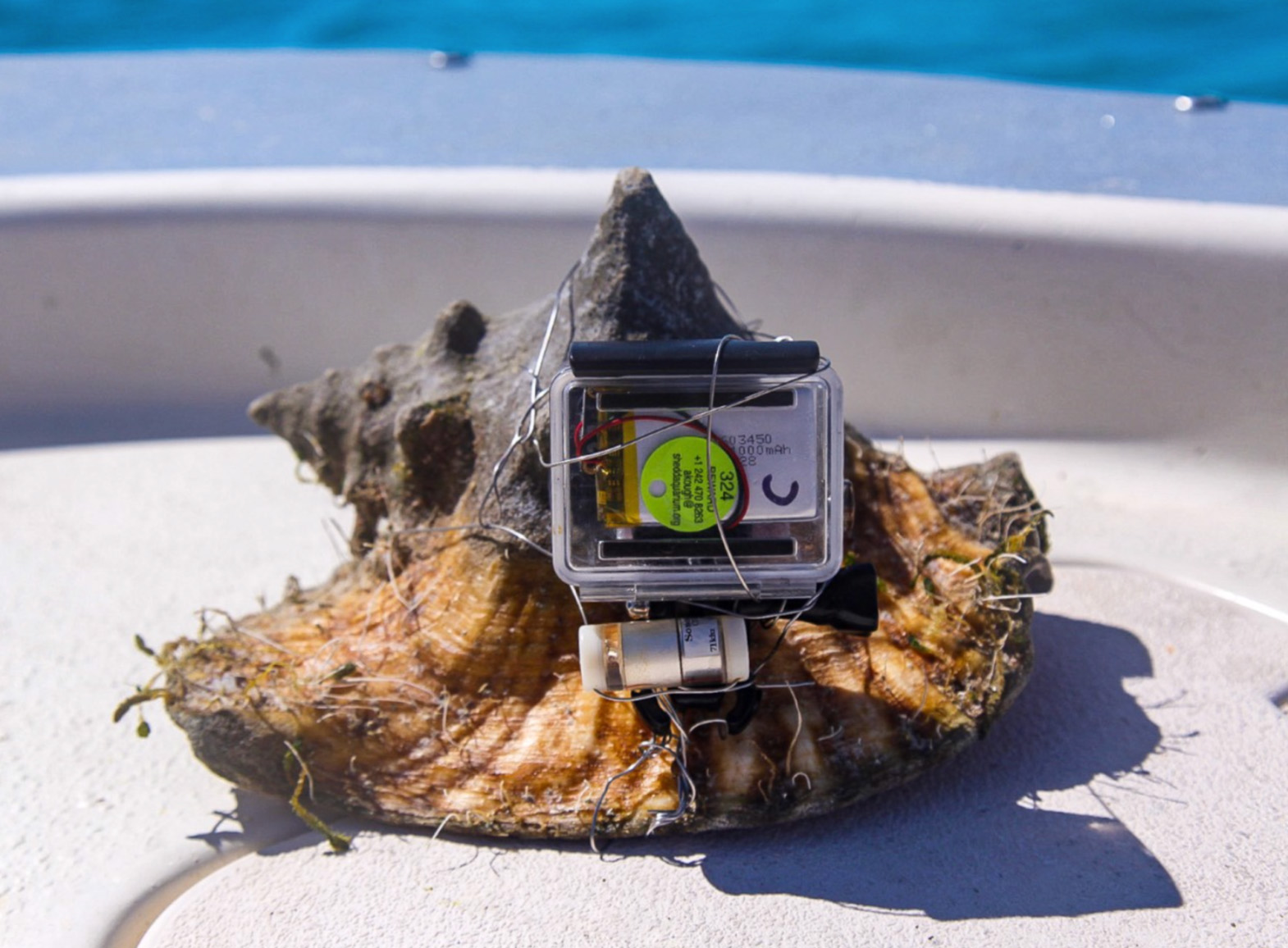
Wired attachment was inefficient, prevented material reuse, and made the device prone to shifting, which impeded data accuracy. - Data correction & analysis
Accelerometer axes do not align with the heading of the conchs, primarily due to slight shifting within tracker casing (secured by a loose rubber insert and hook-and-loop velcro), variance in tracker placement due to unique shell topography. - Limited battery life
1000mA battery provides power for 4 days, necessitating an additional trip to find conchs and replace batteries.

MIAMI FIELD WORK
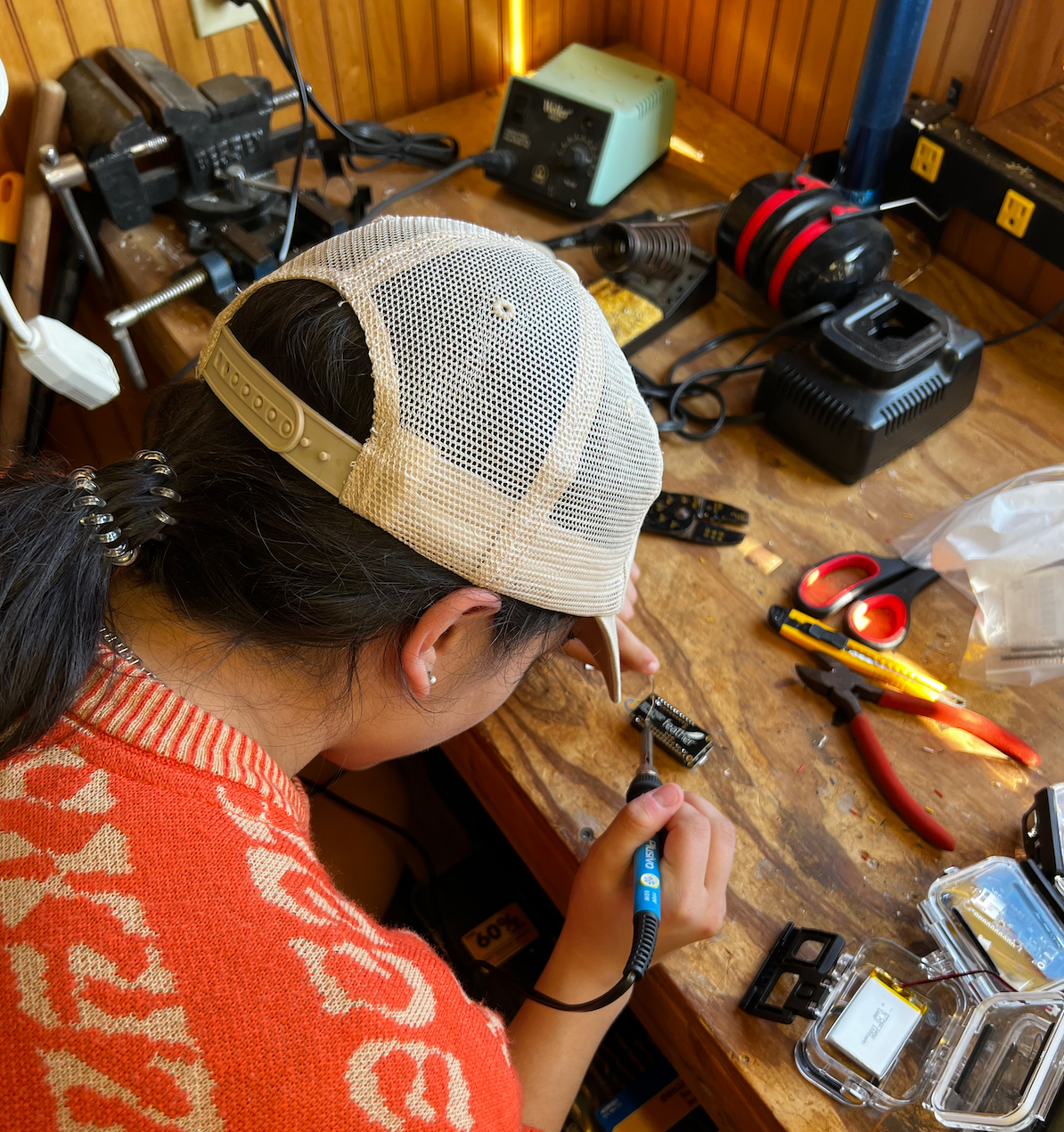
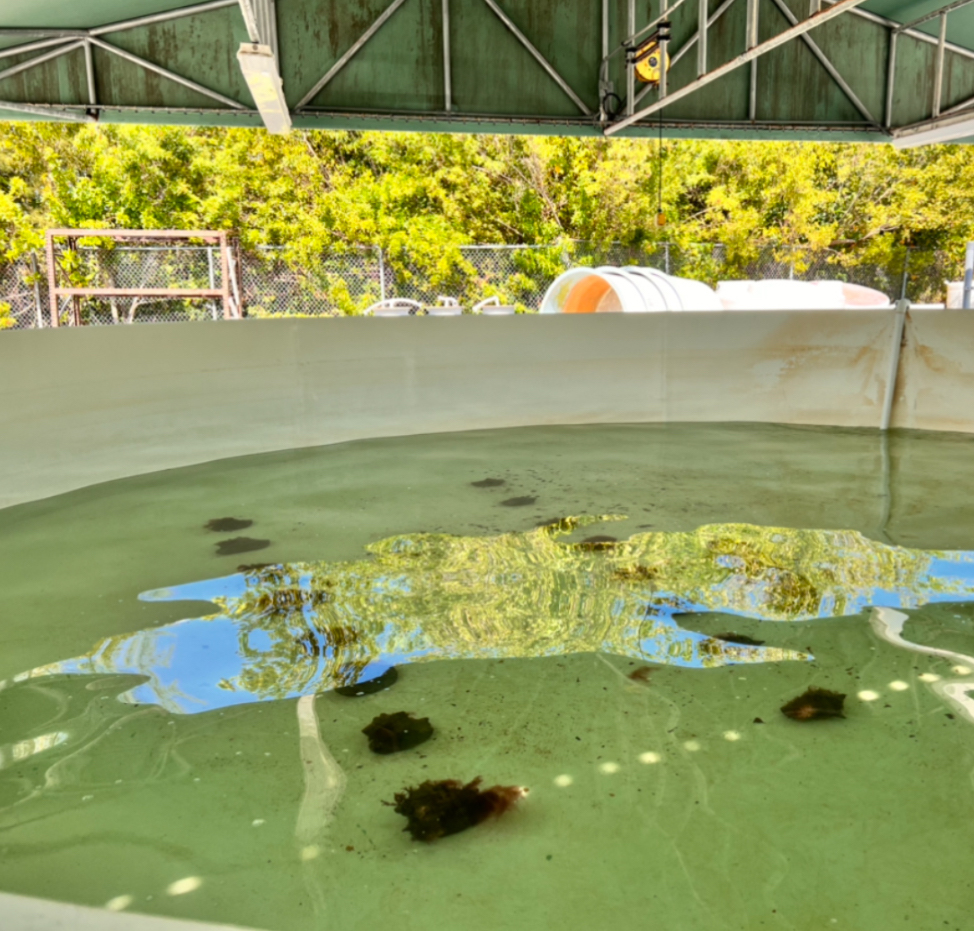
- Received grant for Miami fieldwork; soldered data loggers, retrieved 16 conchs, and placed them in a saltwater mesocosm
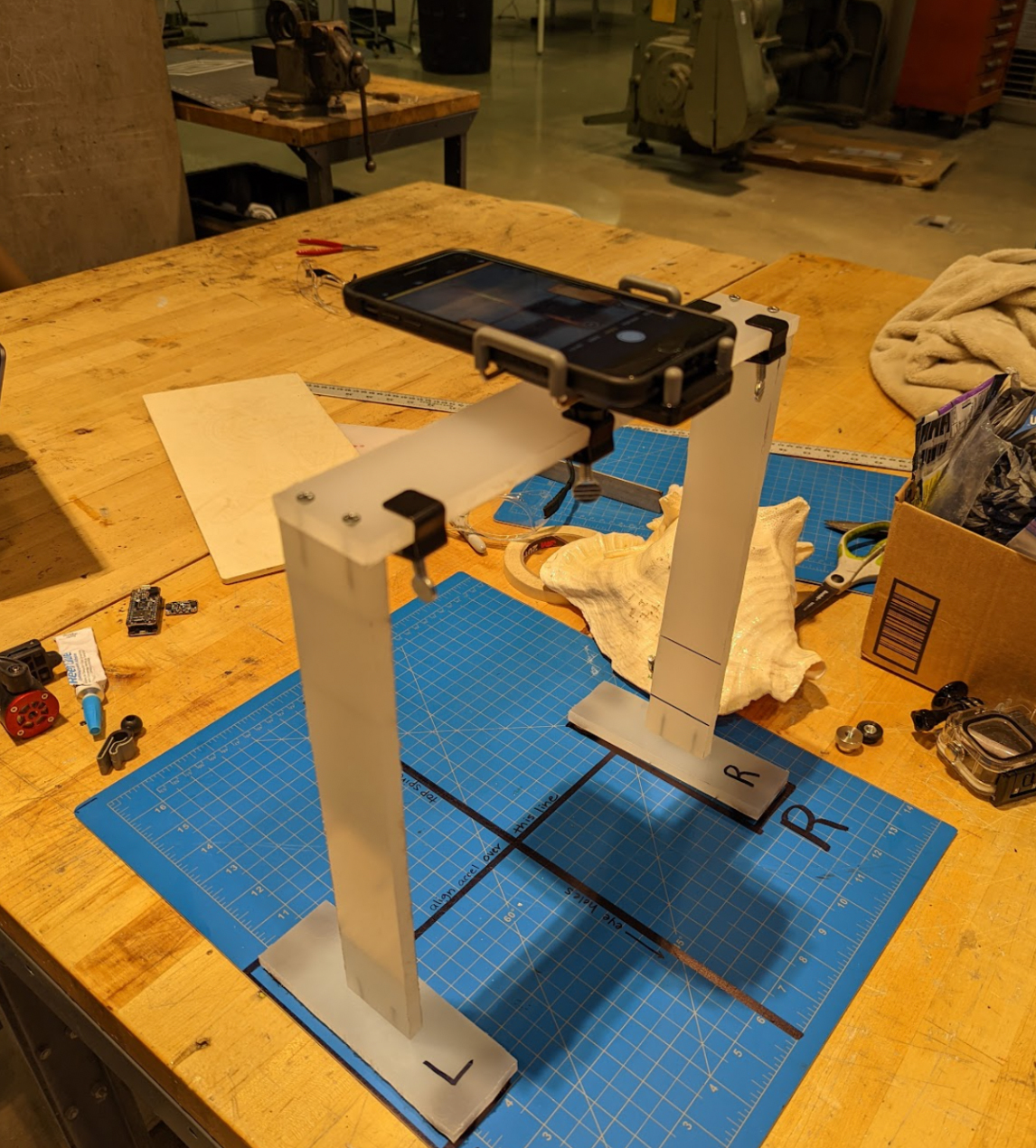
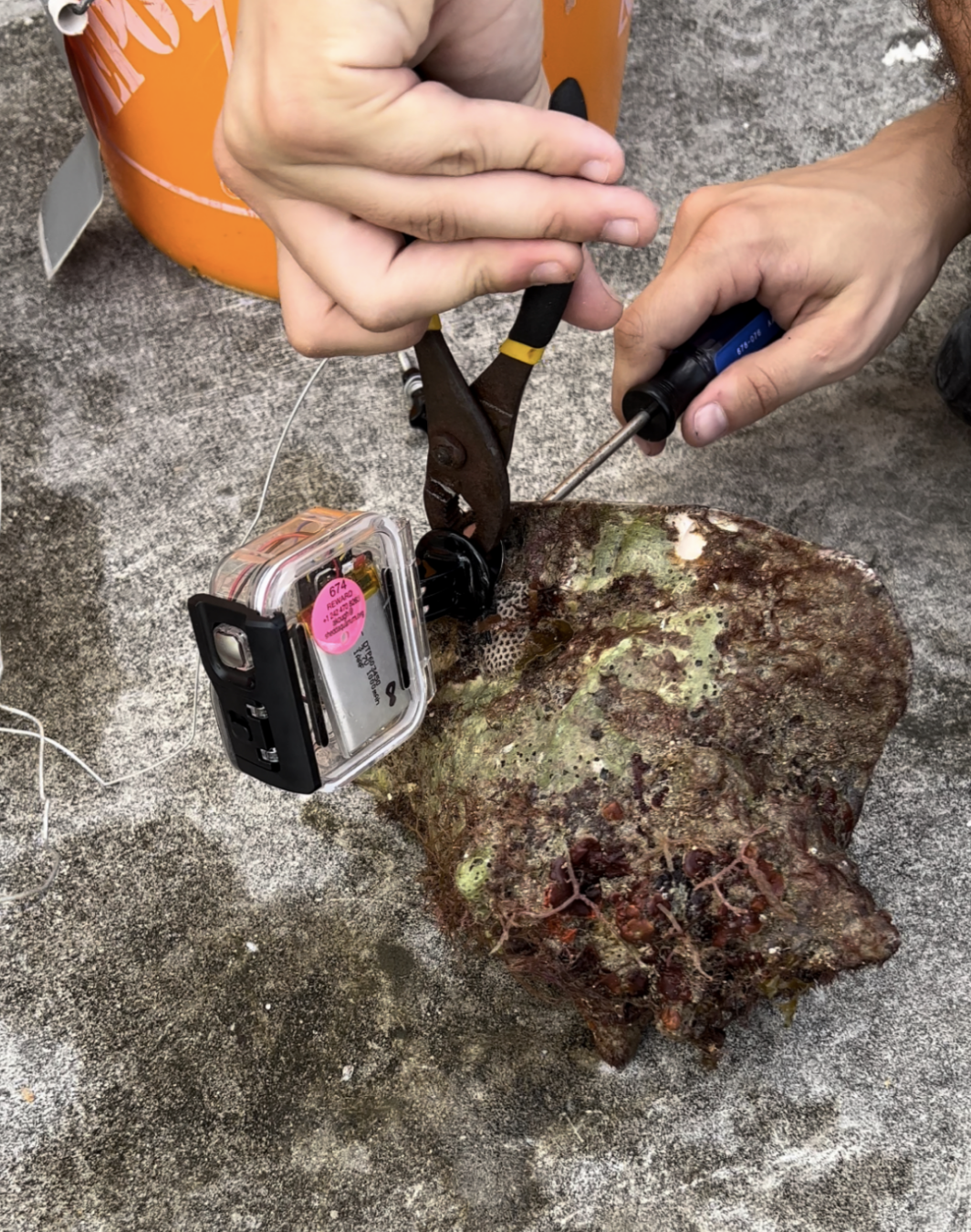
- Tested trackers, data logger functionality, and a novel alignment method for data correction

Final Deliverables
Product
- An improved attachment method that is optimized for efficiency, security, robustness, and ease of use.
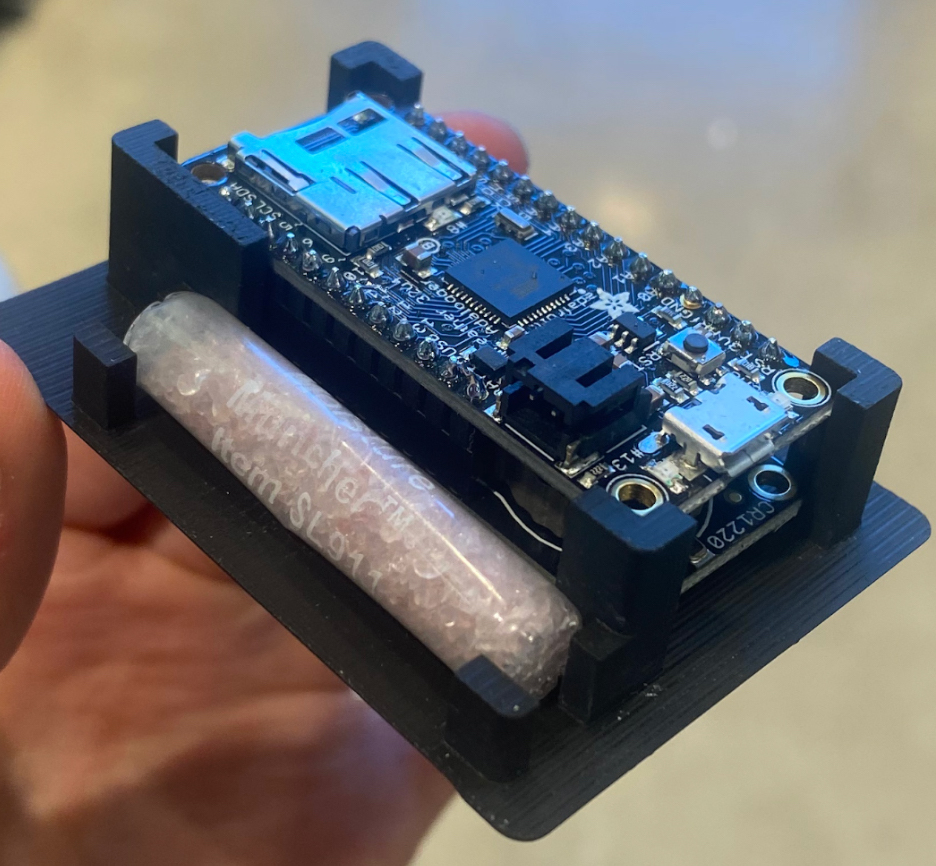
- An arduino positioning cradle to secure device components.
- Standardized, off-the-shelf casing components that are waterproof, robust to pressure changes, low weight, easy to use, readily available, and help to easily and consistently identify each unique device.
- A larger capacity battery to maximize data collection time and minimize the number of trips needed to facilitate the study.
Final Product Report
The team's 42-page final product report encompassed the results of our work and justifications for key design decisions, including an executive summary, testing results and procedures, product specs, and possible future directions. I also indicated key findings from several client interview and expert source interviews in our appendices and created a summary of testing in Miami in conjunction with Bryan Sanchez.